
Flooring Installation Preparation Tips: How to Prepare for Flooring Installation Successfully

Getting new floors installed is exciting. It’s like giving your home a fresh new outfit that can boost its style and value. But before the installers roll in with their tools and materials, there’s a bit of groundwork you need to cover. Trust me, preparing properly can make the whole process smoother, faster, and less stressful. So, let’s dive into some essential flooring installation preparation tips that will help you get ready like a pro.
Why Preparation Matters for Flooring Installation
Imagine trying to bake a cake without measuring your ingredients or preheating the oven. Sounds like a recipe for disaster, right? The same goes for flooring installation. If you don’t prepare your space and yourself, you might face delays, extra costs, or even damage to your belongings.
Preparation sets the stage for success. It ensures the installers can work efficiently, your home stays protected, and the final result looks flawless. Plus, it helps you avoid surprises that could throw off your schedule or budget.
Here’s what you need to focus on:
Clearing the area completely
Protecting your furniture and valuables
Understanding the timeline and process
Communicating clearly with your flooring contractor
By taking these steps, you’re not just making life easier for the installers—you’re also investing in the quality and longevity of your new floors.
Top Flooring Installation Preparation Tips You Can’t Miss
Ready to roll up your sleeves? Here are some practical tips that will get your home ready for the big day.
1. Clear the Room Completely
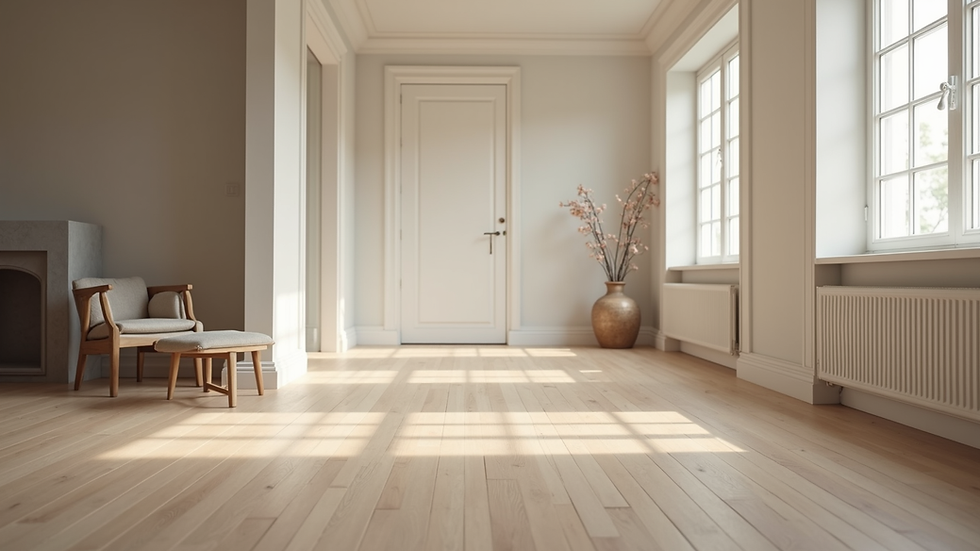
This might sound obvious, but you’d be surprised how often homeowners underestimate this step. Remove all furniture, rugs, and décor from the room. If you have large or heavy pieces, consider renting a storage unit or asking friends for help.
Why? Installers need full access to the floor to work efficiently. Any obstacles slow them down and increase the risk of damage.
2. Protect Your Belongings and Walls
When preparing for installation or renovation, keep in mind Even the most careful installers can make a mistake, so it's essential to safeguard your most cherished items. Focus on removing fragile and sentimental belongings to prevent any potential damage or misplacement.
Steps to Protect Your Belongings
Identify Fragile Items: Go through your space and make a list of items that are delicate or hold sentimental value.
Relocate to a Safe Space: Move these items to a designated safe room or area where they won't be disturbed during the installation process.
Use Protective Packing: For items that need to be packed away, use bubble wrap or soft packing materials to ensure they are cushioned and secure.
3. Plan for Pets and Kids
Floors can be dusty and noisy during installation. It’s best to keep pets and children out of the work area for their safety and to avoid distractions for the crew.
5. Confirm the Installation Schedule
Clear communication is key. Confirm the start date, estimated duration, and daily working hours with your flooring contractor. This helps you plan your days and avoid surprises.
6. Prepare for Dust and Noise
Flooring installation can be messy. Close doors to other rooms, cover vents, and consider using fans or air purifiers to manage dust. Earplugs or headphones can help you stay focused if you’re working from home.
7. Arrange for Disposal of Old Flooring
If you’re replacing old floors, find out if your contractor will handle removal and disposal. If not, arrange for a dumpster or hauling service ahead of time.
8. Have a Clear Path for Delivery
Make sure the delivery truck can access your home easily. Clear driveways, remove obstacles, and inform your contractor about any parking restrictions.
By following these tips, you’re setting yourself up for a smooth installation day and a beautiful new floor.
Can I Stay in My House While Floors Are Replaced?
This is a question I get a lot. The answer depends on several factors, including the type of flooring, the size of the project, and your tolerance for noise and dust.
For smaller rooms or partial installations, many homeowners choose to stay in the house. You can simply avoid the work area and keep your routine as normal as possible.
However, for whole-house installations or floors that require extensive prep work (like removing old tile or sanding hardwood), it might be more comfortable to stay elsewhere during the workday temporarily. The noise, dust, and disruption can be significant.
Here are some things to consider:
Noise levels: Expect loud equipment like saws and nail guns.
Dust and fumes: Some flooring adhesives or finishes emit odors.
Access: Installers need clear access to rooms, which might limit your movement.
Safety: Keep children and pets away from the work zone.
If you decide to stay, set up a “safe zone” with essentials like snacks, water, and entertainment away from the work area. If you can, plan to spend some time out of the house during the noisiest phases.

What to Expect on Installation Day
Knowing what happens on the big day can ease your nerves and help you stay organized.
Arrival and setup: The crew will bring in tools, materials, and protective gear.
Old floor removal: If applicable, they’ll start by taking out the old flooring.
Subfloor preparation: This includes cleaning, leveling, or repairing the base.
Floor installation: Depending on the material, this can take several hours to days.
Cleanup: The team should leave the area clean and ready to use.
Keep in mind that some flooring types, like hardwood or engineered wood, may require acclimation time before installation. This means the materials sit in your home for a few days to adjust to temperature and humidity.
After Installation: Final Touches and Care
Your new floors look amazing, but the job isn’t quite done yet. Here’s what to do next:
Wait before moving furniture: Give the floor time to settle—usually 24 to 48 hours (for sanding and refinishing).
Use protective pads: Place felt pads under furniture legs to prevent scratches.
Clean gently: Follow your flooring type’s cleaning guidelines. Avoid harsh chemicals.
Maintain humidity: Wood floors especially benefit from stable humidity levels to prevent warping.
By caring for your floors properly, you’ll enjoy their beauty and durability for years to come.
Ready to Transform Your Home?
Preparing for flooring installation might seem like a lot, but it’s worth every bit of effort. When you know exactly what to do, the process becomes less daunting and more exciting. Remember, the key is to plan ahead, communicate clearly, and protect your space.
If you want expert help and personalized advice on how to prepare for flooring installation, Smith Family Flooring llc is here for you. We specialize in making flooring projects in North Jersey hassle-free and affordable, with top-notch craftsmanship you can trust.
Get ready to step onto floors you’ll love for a lifetime!


Comments